
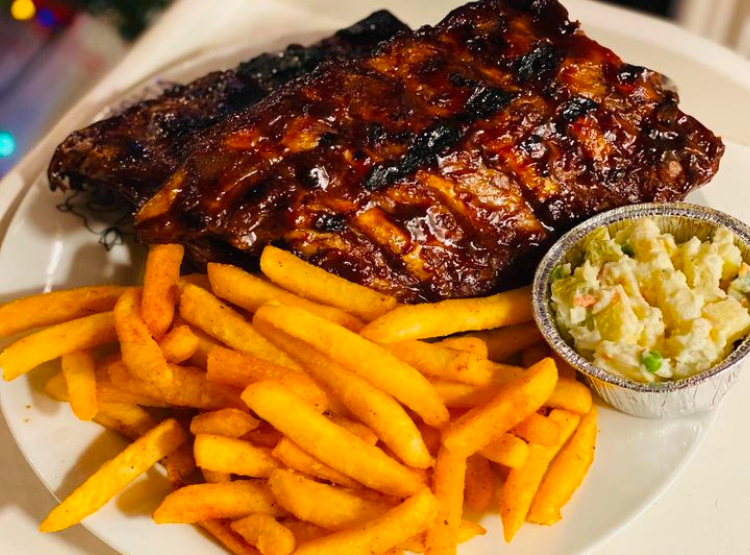
Photo: Cafe De Tijd, a real spot on Snekkie
Food · 8 min read
12 Traditional Curaçao Foods Every Visitor Must Try (And Where to Find Them)
Published on May 26, 2026
Curaçao does not have a single culinary tradition. It has five. African, Dutch, Spanish, Sephardic Jewish, and Venezuelan influences arrived on this small island over five centuries and did what they always do when they share a kitchen: they argued, borrowed, adapted, and eventually produced something that belongs entirely to itself. The result is krioyo cuisine — the local food of Curaçao — and it is one of the most distinctive and underrated cooking traditions in the entire Caribbean.
This guide covers 12 dishes that define what it means to eat on this island. Some you will find at every snekkie. Others require a specific restaurant or a Sunday morning at the right market stall. All of them are worth going out of your way for. Use the Snekkie map to track them down while you are here.
1. Pastechi — The Golden Morning Ritual
Pronunciation: pas-TEH-chee
If there is one food that defines the daily rhythm of Curaçao, it is the pastechi. A golden, deep-fried pastry folded into a half-moon or round pocket, filled with one of five classic options: keshi (young Gouda that pulls apart in molten strings), atún (tuna seasoned with onion and peppers), karni (spiced ground beef cooked with sofrito), galinja (chicken), or bakijou — salted codfish, considered by purists to be the most traditional filling of all.
The dough is wheat-based, slightly sweet, and lighter than you expect. The outside blisters in the hot oil. The inside is warm, dense with filling, and irresistible. Pastechi cost between 1.50 and 3 Antillean Guilders. They are sold at virtually every snekkie on the island from around 6 am, because pastechi is a breakfast food — eaten standing at the counter, still too hot to hold properly, before you drive on to wherever the day takes you.
Where to find it: Any snekkie, any morning. Filter by location on the Snekkie map and look for spots with community recommendations.
2. Keshi Yena — The National Dish
Pronunciation: KEH-shee YEH-nah — literally "stuffed cheese"
Keshi yena is the dish Curaçao puts forward when it wants the world to understand its cuisine. A hollowed-out Gouda cheese — historically, the wax shell left after the cheese inside was sold — filled with a spiced mixture of chicken or beef, raisins, olives, capers, tomatoes, and peppers, then baked until the cheese melts into a golden crust and the filling inside is rich, fragrant, and complex.
Its origin is a story of resourcefulness: enslaved people on the island used the rinds discarded by Dutch traders and filled them with whatever was available. What emerged from that improvisation is now the most celebrated dish in the country. The flavour profile is unlike anything else in the Caribbean — the sweet-savoury-briny combination of raisins, olives, and Gouda reads as almost Moroccan, almost Dutch, entirely Curaçaoan.
Where to find it: Traditional restaurants across the island. Read more in our complete guide to keshi yena.
3. Stoba di Kabritu — Sunday in a Bowl
Pronunciation: STOH-bah dee kah-BREE-too
Stoba di kabritu is goat stew, and it is the dish that Curaçaoan families make when something is worth celebrating. The goat is slow-cooked for hours with onion, garlic, tomato, cumin, and a sofrito base until the meat falls from the bone and the sauce turns dark, thick, and impossibly savoury. It is served with funchi (see below) or rice, and it is the kind of meal that requires a long lunch and a slower afternoon.
Goat has been part of the island's diet since the earliest colonial period — the animals were brought over and thrived in the arid landscape. The stoba tradition comes from African cooking techniques brought by enslaved people, adapted over generations to local ingredients. You will find it at traditional restaurants and family-run spots especially on Sundays.
Where to find it: Traditional krioyo restaurants island-wide. Worth calling ahead to confirm it is on the menu that day.
4. Funchi — The Staple That Holds Everything Together
Pronunciation: FOON-chee
Funchi is the staple carbohydrate of Curaçaoan cooking. Made from cornmeal cooked in water with salt and butter until it becomes thick and smooth — similar to Italian polenta, though Curaçaoan cooks will tell you they arrived at their version independently — funchi is the quiet constant beside almost every main dish on the island.
It arrives as a firm, sliceable loaf or scooped into a mound, golden-yellow and warm. Its mild flavour makes it the perfect partner for rich stews like stoba di kabritu or the braised sauces common in krioyo cooking. On its own, funchi is humble. Beside the right stew, it is essential.
Where to find it: As a side dish at virtually any traditional restaurant or snekkie serving hot meals.
5. Tutu — Curaçao's Risotto
Pronunciation: TOO-too
Tutu is funchi's more complex sibling: cornmeal cooked together with caraotas (black-eyed peas) until the two become one cohesive, creamy dish. The black-eyed peas add protein and a gentle earthiness that elevates the funchi from simple starch to something that can hold its own as a full meal. Locals sometimes call it "Curaçao's risotto" — the comparison is imperfect but it captures the texture and the comfort-food status.
Tutu has West African roots: black-eyed peas are deeply embedded in the cooking traditions that enslaved Africans brought to the Caribbean. The pairing with cornmeal reflects the same synthesis of available ingredients that defines so much of krioyo cuisine. It is a deeply traditional dish, less commonly found on restaurant menus than it used to be — which makes it worth ordering when you see it.
Where to find it: Traditional krioyo restaurants, market stalls, and home kitchens. Ask for it specifically; not every menu lists it.
6. Carco / Karko — The Conch of the Coast
Pronunciation: KAR-koh
Karko is conch — the large sea snail whose shell you see in every beach souvenir shop — prepared as food rather than decoration. The meat is dense and slightly chewy, with a mild, briny flavour that tastes of the sea without being overwhelming. It is prepared two main ways: stewed slowly until tender in a tomato-based sauce seasoned with herbs and peppers, or sliced thin and fried until the exterior is crisp.
Karko has been part of the island's coastal diet for as long as people have lived here. You will find it at spots near the water — beachside snekkies, fishing village restaurants, and the storied Plasa Bieu market in Willemstad, where the vendors who have cooked karko for decades still hold their spots.
Where to find it: Coastal restaurants and Plasa Bieu in Willemstad.
7. Sopi di Kadushi — Soup from a Cactus
Pronunciation: SO-pee dee kah-DOO-shee
You cannot miss the kadushi cactus on Curaçao. The tall, columnar cacti — some reaching five or six metres — cover the island's dry interior, forming dense stands that define the landscape as much as the colonial architecture defines Willemstad. What visitors do not always expect is that you can eat them.
Sopi di kadushi is a broth-based soup made from the flesh of the kadushi cactus, which becomes soft and slightly gelatinous when cooked. The flavour is mild and faintly earthy. The soup is typically enriched with goat or pork, seasoned simply with herbs and aromatics, and served warm. It is both a clever piece of culinary resourcefulness — using what the dry landscape provides — and genuinely delicious in a way that surprises almost everyone who tries it.
Where to find it: Traditional restaurants specialising in krioyo cuisine. Not common in tourist-facing menus — worth asking for specifically.
8. Stoba di Yuana — Iguana Stew
Pronunciation: STOH-bah dee YOO-ah-nah
Yes, iguana. Stoba di yuana — iguana stew — is a genuine and longstanding Curaçaoan delicacy, especially in the western part of the island known as Bandabou. The iguanas are locally farmed and have been eaten on the island for generations. The meat is mildly gamey, leaning toward chicken in texture and flavour, with a faintly wild edge that distinguishes it from anything on a standard menu.
The preparation follows the same slow-stew logic as kabritu: the meat is braised with aromatics, tomato, peppers, and local spices until the sauce is rich and the meat is tender. It is served with funchi, and it is the kind of dish that regulars drive across the island to eat. Jaanchie's Restaurant in Westpunt is the most famous destination for stoba di yuana — a family-run spot at the island's western tip where the iguana stew has been drawing visitors for decades.
Where to find it: Jaanchie's Restaurant, Westpunt (Bandabou). Plan the trip — it is worth the drive.
9. Pampuna — Sweet-Savoury Pumpkin Pancakes
Pronunciation: pahm-POO-nah
Pampuna are pancakes made from grated or puréed pumpkin, eggs, and flour, baked or pan-fried until the outside is golden and slightly caramelised. They land in the middle of the sweet-savoury spectrum — faintly sweet from the pumpkin, with a richness that makes them work as a morning treat or an afternoon snack.
Sunday morning is the traditional time for pampuna, and in many households they appear on the table alongside pastechi as the weekend's unhurried breakfast. They are also sold at market stalls, especially on weekend mornings. The pumpkin used is typically a local variety — denser and more flavourful than supermarket alternatives — and the difference is noticeable.
Where to find it: Weekend market stalls and traditional family-run breakfast spots. Seasonal availability — ask around.
10. Bolo Pretu — The Black Wedding Cake
Pronunciation: BOH-loh PREH-too — literally "black cake"
Bolo pretu is the traditional wedding cake of Curaçao, and it is nothing like the white-frosted tiers that word might conjure. It is a dense, dark fruit cake made from dried fruits — prunes, raisins, currants, cherries — soaked for weeks or months in rum and liqueur until they have absorbed as much spirit as they can hold. The resulting cake is nearly black, intensely moist, and complex with a depth of flavour that takes time to appreciate.
Bolo pretu is given at weddings as a gift to guests — small pieces wrapped and sent home as a token of celebration. It also appears at Christmas, carried from house to house as part of the holiday visiting tradition. It is a cake with a long colonial lineage: the tradition of dark rum-soaked fruit cakes runs through British, Dutch, and Caribbean culinary history, and Curaçao's version is among the most deeply flavoured.
Where to find it: At weddings, Christmas markets, and specialty bakeries. Some vendors sell individual slices at local markets — a rare find, and worth buying immediately.
11. Tentalaria — The Street Vendor's Sweet
Pronunciation: ten-tah-LAH-ree-ah
Tentalaria is peanut brittle — crunchy, sweet, and impossible to put down once you have started. Roasted peanuts suspended in caramelised sugar, cooled until the sugar shatters with a satisfying snap. It is sold by street vendors at markets, festivals, and roadside stalls all across the island, usually wrapped in a small piece of paper or a clear plastic bag.
Do not let the simplicity fool you. The best tentalaria is made by vendors who know exactly when to pull the sugar off the heat — too early and it is sticky, too late and it is bitter. The ones who have been making it for twenty years get it right every time. It is the island's most democratic sweet: available everywhere, loved by everyone, priced so that no one has a reason not to try it.
Where to find it: Plasa Bieu, weekend markets, street vendors island-wide.
12. Kokada — Coconut Candy from the Roadside
Pronunciation: koh-KAH-dah
Kokada is the island's coconut candy: shredded fresh coconut cooked with sugar until the mixture caramelises and becomes soft, chewy, and faintly sticky. It is sold in small rounds or bars, sometimes tinted pale pink or left natural white, and it has the straightforward, clean sweetness of good coconut without any artificial assistance.
Kokada is a Caribbean-wide tradition — similar versions exist throughout the region from Cuba to Colombia — but Curaçao's version tends toward the chewier, denser end of the spectrum, with a stronger coconut flavour from the fresh-grated base. Find it at market stalls and roadside vendors, especially in the older parts of Willemstad. It keeps well and travels well, which makes it the ideal thing to bring home as a small, edible piece of the island.
Where to find it: Markets, roadside vendors, and souvenir shops across the island.
Where to Explore Curaçaoan Food Properly
The single most useful move for eating well on this island is to eat where locals eat. Not the hotel restaurant, not the tourist-facing strip — the snekkies, the market stalls, the family-run lunch spots that do not advertise and do not need to. Those are the places where the dishes described above are made the way they have always been made.
The Snekkie app maps exactly those spots — community-added, locally verified, filtered by neighbourhood and category. No sponsored listings. No TripAdvisor aggregation. Just the places that people on the island actually go.
Start with a pastechi at a snekkie near your accommodation. Work your way through the list. End somewhere with a cold Amstel Bright and a view of the sea. That is a good day on Curaçao.
Bon provechu.